Key takeaways
- The NYC Department of Buildings registers special inspection agencies in three classes; only a Class 1 agency may perform every type of special inspection.
- The class is set by the agency's director (a licensed PE or RA), its staff qualifications and its accreditations.
- Hiring the wrong class for the work on your TR1 can stop a job: the DOB will not accept the sign-off.
- Ask for the agency's DOB registration number and class before the first inspection is scheduled.
In this article
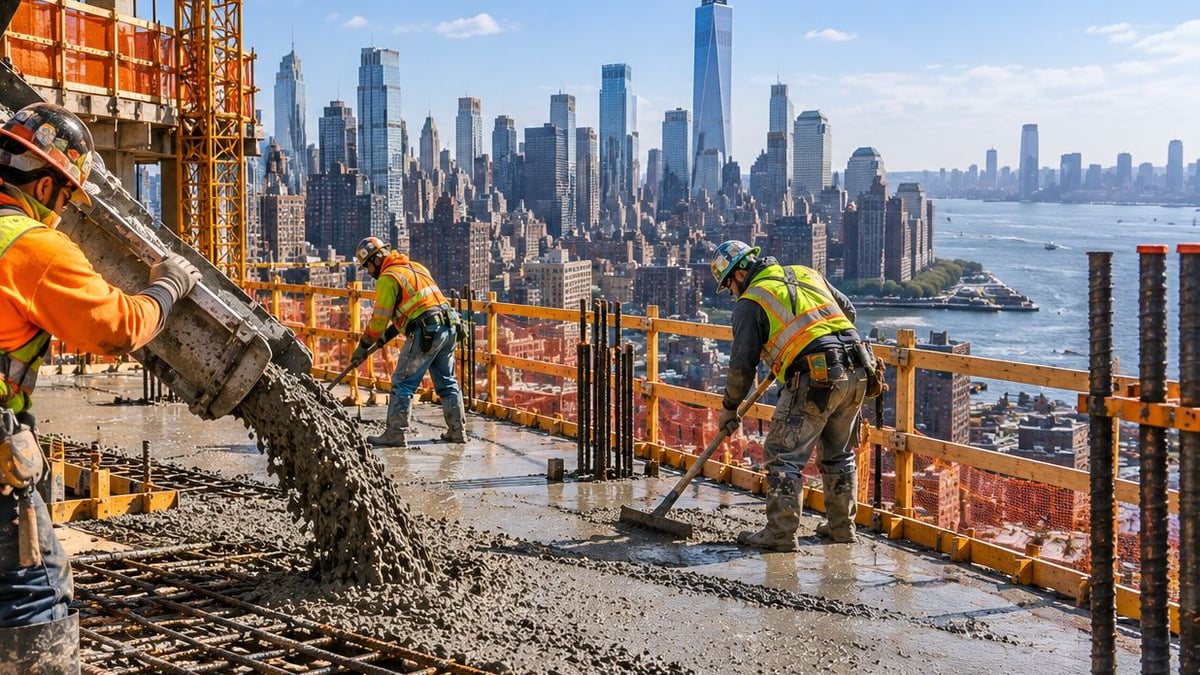
Every construction permit in New York City that involves structural work comes with a list of special inspections: concrete, soils, masonry, structural steel, piles, and more. Those inspections cannot be done by the contractor or by the DOB's own inspectors. They must be performed by a registered special inspection agency, and the agency's class decides which of those inspections it is allowed to sign.
What a special inspection agency does
Under Chapter 17 of the NYC Building Code, a special inspection is an independent check of specific materials and work during construction: is the concrete reaching the strength on the drawings, is the fill compacted to the specified density, are the welds and bolts what the engineer detailed. The agency sends qualified inspectors to the site, tests samples in its laboratory where required, and signs the TR1 form that goes back to the DOB when the work is complete.
The agency is answerable to the Department of Buildings, not to the contractor. That independence is the whole point: the person checking the work is not the person being paid to build it.
The three DOB classes
The DOB registers special inspection agencies under rule 1 RCNY 101-06. The class an agency receives depends on who directs it and what credentials its staff and laboratory hold.
| Class | Who directs it | What it may inspect |
|---|---|---|
| Class 1 | A licensed Professional Engineer or Registered Architect with the required experience | All special inspection categories listed in the rule |
| Class 2 | A licensed PE or RA | A limited set of categories, mostly outside structural and geotechnical work |
| Class 3 | A qualified person who is not a PE or RA | A narrow set of categories such as certain energy-code and mechanical items |
In practice: if your permit lists concrete, soils, piles, masonry or structural steel, you need a Class 1 agency.
What makes an agency Class 1
A qualified director
The agency must be directed by a licensed PE or RA who meets the experience requirements in the rule and who takes professional responsibility for every inspection the agency signs. The director's license is on the line with each TR1.
Qualified inspectors
Each category of inspection has its own staff requirements: ACI field technician certifications for concrete, AWS or ICC credentials for welding and bolting, and so on. A Class 1 agency keeps these certifications current for the inspectors it sends to your site.
A licensed, accredited laboratory
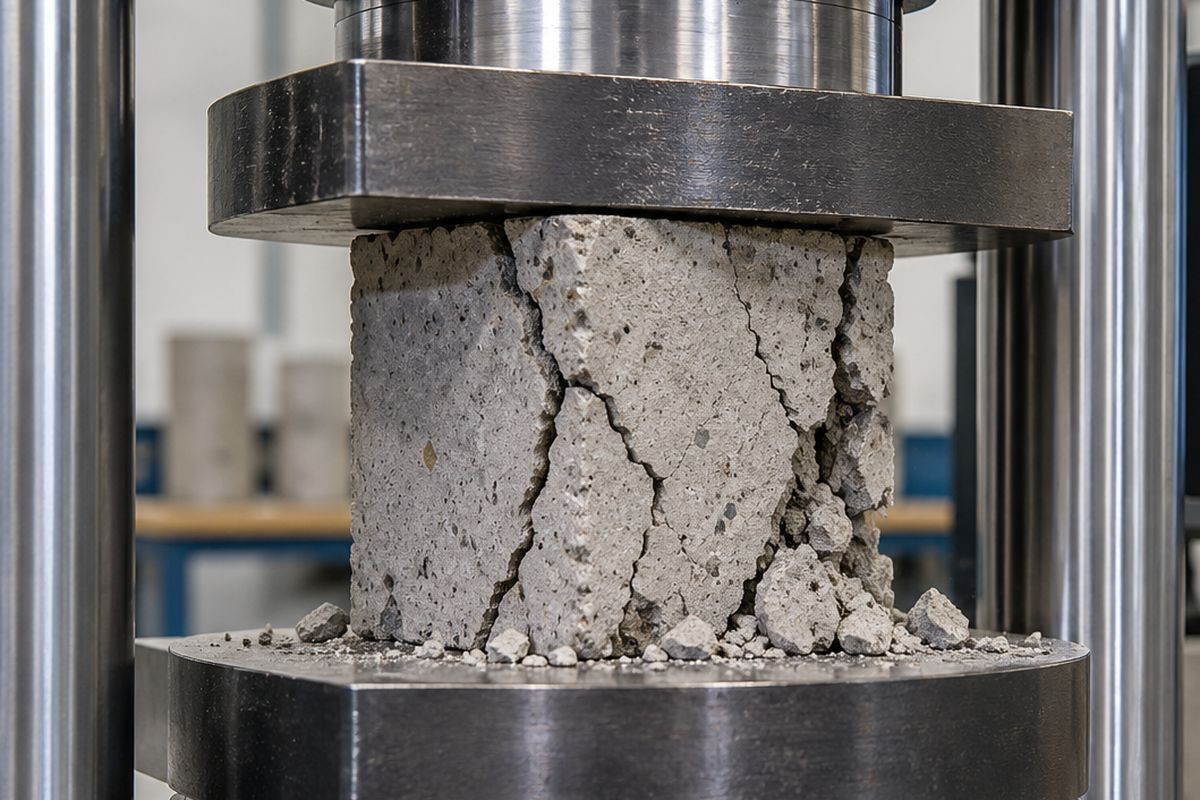
Concrete cylinders, soil samples and masonry prisms are tested in a laboratory. For the results to count, the lab must hold a DOB concrete testing laboratory license and, for most categories, accreditation such as AASHTO or an equivalent program.
Why the class matters for your permit
The TR1 form filed with your permit names the special inspection agency for each category. When the DOB audits the filing, or when the project goes for sign-off, an agency outside its class is treated as if no inspection had been done. That can mean re-inspection where it is still possible, and objections where it is not. Concrete that is already in the structure cannot be re-sampled.
Choosing a Class 1 agency at the start removes the question entirely: every category on the TR1 can be covered by the same firm, and the schedule has one phone number to call.
How to check an agency's class
- Ask the agency for its DOB special inspection agency registration number.
- Look up the number in the DOB's public search; the record shows the class and the categories.
- Compare the categories with the ones listed on your TR1.
- Ask for the laboratory license number if concrete or soils are on the list.
- Confirm the director named on the registration is the one signing your forms.
Frequently asked questions
Can a Class 2 agency inspect concrete?
No. Concrete, soils, piles, masonry and structural steel are reserved for Class 1 agencies.
Can my engineer of record do the special inspections?
Only if the engineer's firm is itself registered as a special inspection agency in the right class, and not for work the same firm designed in some categories. Most projects use a separate agency.
Does Class 1 cost more than Class 2?
Not necessarily. The fee depends on the inspections required, the site and the schedule, not on the class itself. A single Class 1 agency for all categories is often cheaper than two agencies.
Is the class the same thing as AASHTO accreditation?
No. The class is a DOB registration. Accreditation is a separate program that checks the laboratory's testing practices. A Class 1 agency with a concrete lab normally holds both.
Conclusion
The class of a special inspection agency is not paperwork detail; it decides whether the DOB will accept the inspections on your permit. For any project with structural concrete, soils, masonry or steel, confirm you are working with a Class 1 agency before the first inspection is scheduled.
Written by the engineers and laboratory technicians of Metric Consulting and Inspection, a Class 1 special inspection agency with a DOB-licensed concrete testing laboratory in Hicksville, New York, serving NYC construction for nearly 25 years.